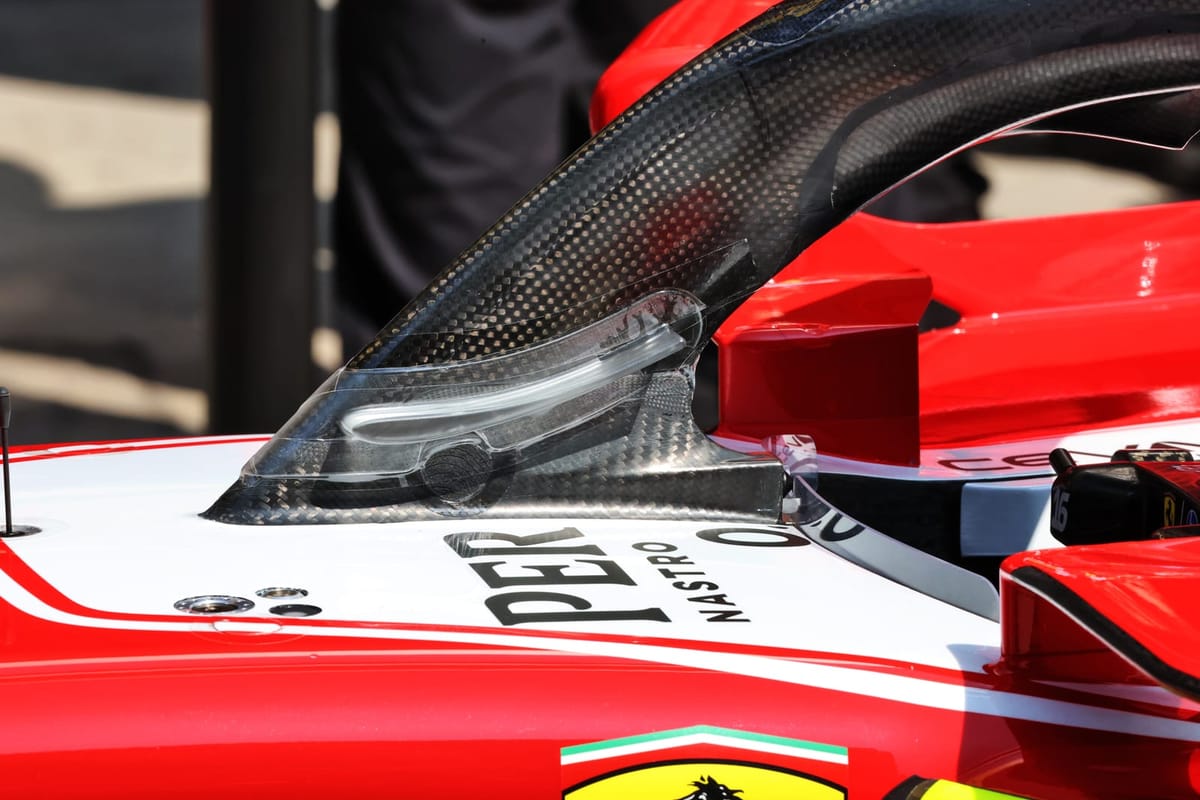
In recent discussions within the motorsport community, the legality of certain aerodynamic features on Formula 1 cars, particularly Ferrari's halo wings, has come under scrutiny. These components, designed to enhance downforce and stability, resemble small windscreens or shields positioned above the cockpit area.
Many experts and teams are questioning whether these halo wings comply with the regulations set forth by the FIA. The core issue revolves around whether these structures are considered aerodynamic devices or if they fall into the category of cockpit protection elements. The distinction is crucial because the regulations specify strict guidelines about what can be mounted on the car and their dimensions.
Ferrari's design has sparked debate because the halo wings appear to extend above the standard cockpit opening, potentially providing additional aerodynamic benefits. Critics argue that such features could be classified as illegal if they are deemed to interfere with the driver's visibility or violate the rules concerning cockpit safety devices.
Regulatory bodies like the FIA are closely examining these components to determine their compliance. The decision involves detailed assessments of the wings' dimensions, placement, and function. If deemed illegal, teams may be required to modify or remove these features, which could impact Ferrari's performance on the track.
Historically, the FIA has been strict about ensuring that all aerodynamic devices adhere to the technical regulations to maintain fairness and safety. The outcome of this inquiry could set a precedent for future car designs and how similar features are evaluated in the sport.
As the season progresses, teams and fans alike are watching closely to see how the FIA's ruling will influence Ferrari's car design and the broader landscape of Formula 1 engineering. The debate underscores the ongoing tension between innovation and regulation in high-level motorsport.